County eyes new data center restrictions after abandoning ban proposal
Cheatham County commissioners may revisit regulations governing data centers after a proposal to prohibit them entirely was withdrawn during the commission's June 22 workshop.
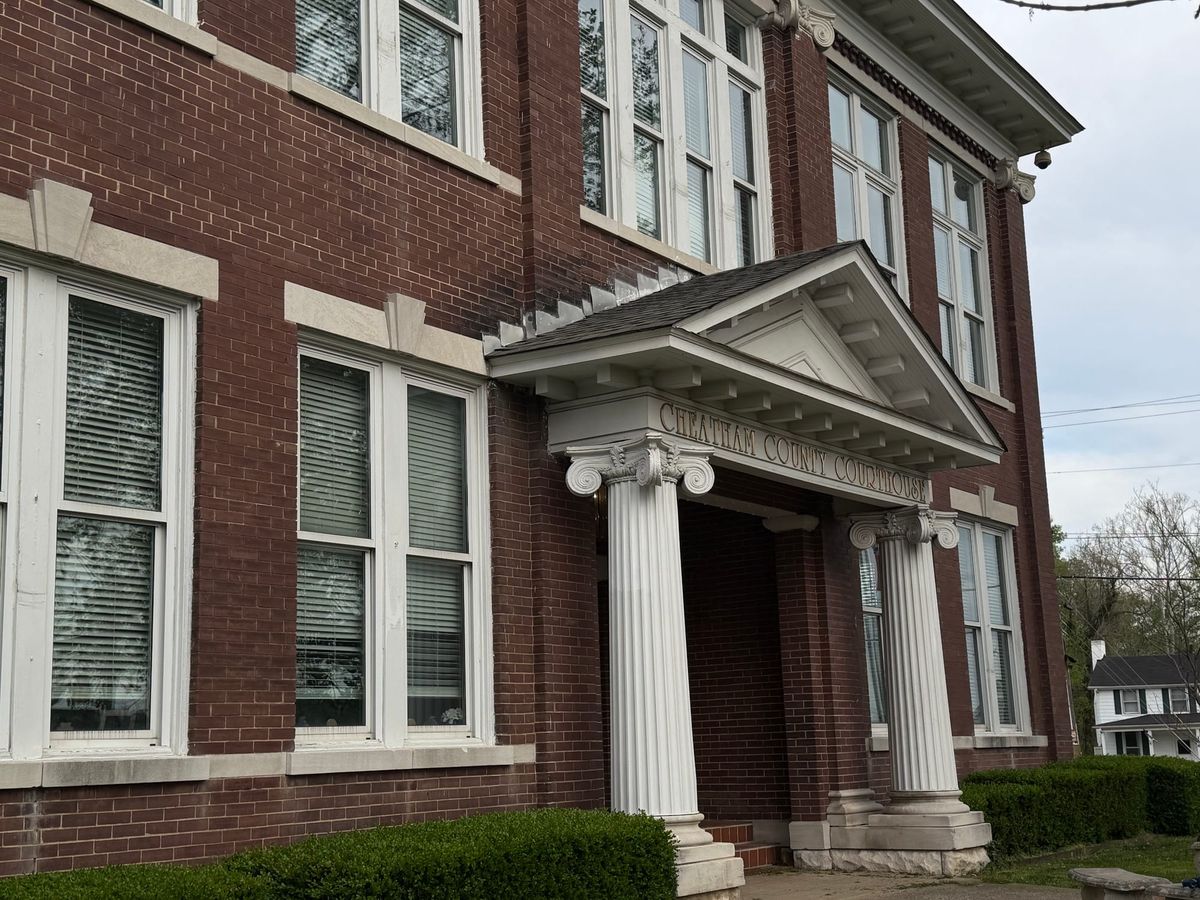
Cheatham County commissioners may revisit regulations governing data centers after a proposal to prohibit them entirely was withdrawn during the commission's June 22 workshop.
The discussion came after Kingston Springs resident Linda Ryder urged county leaders to take stronger action against potential data center development during the public forum, arguing that the county's current regulations do not go far enough to protect residents and natural resources.
Ryder told commissioners that while the county took an important first step earlier this year by defining data centers in its zoning regulations and classifying them as "extensive impact facilities," additional safeguards are needed.
"I think Cheatham County may be an easy target, since the restrictions here are very minimal," Ryder said. "My hope is that by passing stringent regulations, data center developers will decide to target other areas instead."
Ryder called for a formal moratorium on data center development until stronger protections can be adopted and urged the county to require independent oversight funded by any future data center developers.
Her comments came as commissioners considered a resolution from District 5 Commissioner Diana Pike Lovell titled, "Opposing and Prohibiting the Development, Construction, and Operation of Data Centers within Cheatham County, Tennessee."
However, County Attorney Michael Bligh advised commissioners that an outright ban would likely not be legally defensible.
Bligh noted that the county already took action in December by adding a formal definition for data centers to the zoning resolution and limiting them to industrially zoned property classified as I-2 or I-3.
He added that while the county cannot completely prohibit a legal land use, commissioners could consider additional regulations governing future facilities.
Potential restrictions could include minimum lot sizes, larger setbacks from roads and neighboring properties, buffering requirements and noise limits.
"You can add additional restrictions," Bligh said. "But you can't outlaw them entirely. It is a legal use, and all legal uses have to be allowed somewhere."
Following the discussion, Lovell asked to withdraw her resolution from consideration.
Commissioners indicated they may continue exploring whether additional regulations are needed as concerns about data centers continue to grow nationwide.