Harpeth High launches residential construction pathway, plans new CTE building
Harpeth High School leaders say a new residential construction pathway is already drawing strong student interest and will soon have a dedicated facility funded in part by the $1 million Innovative Schools Grant.
Harpeth High School leaders say a new residential construction pathway is already drawing strong student interest and will soon have a dedicated facility funded in part by the $1 million Innovative Schools Grant.
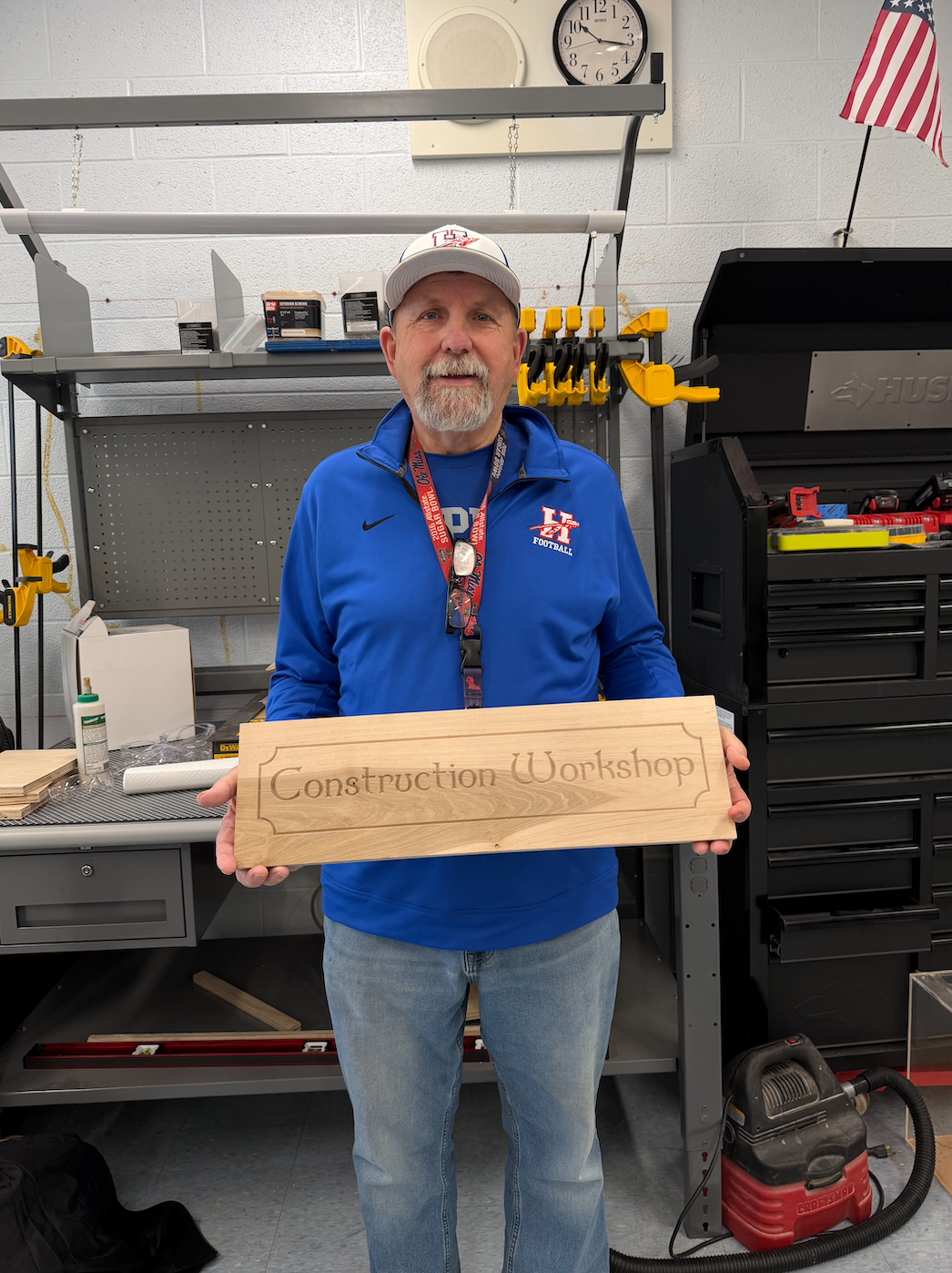
The program, launched this school year, is led by Pegram Mayor and Harpeth head football coach Charles Morehead. District Career and Technical Education (CTE) Coordinator Jennifer Reist, Principal Dr. Lee Rector and Tennessee College of Applied Technology (TCAT) representative Crystal Hunter outlined the program’s goals during a recent tour of the campus.
Morehead, who previously taught woodworking at the middle school, said the shift to a residential construction pathway gives students a more focused skill set than the school’s earlier mechanical, electrical and plumbing model.
“When you do a little bit of everything, there’s no focus,” Reist said. “This gives them a pathway they can continue.”
The residential construction track aligns with programs at TCAT, allowing students who complete three years at Harpeth to enter TCAT up to 50% through their certification program, leaders said.
Currently, just over 40 students are enrolled in the first-year program, with school officials hoping that number grows to more than 100 next year. Students can begin the pathway as freshmen and continue through their junior year, with plans to expand senior-year opportunities into work-based learning placements.
Hunter said similar programs in Metro Nashville have expanded to include dual instructors, road-building tracks and paid work-based learning placements for seniors. She said Harpeth’s program could follow a similar trajectory as industry partnerships grow.
“This construction class is the basic of everything they learn, no matter which type of construction they go into,” Hunter said.
Students in the program are currently working toward OSHA 30 certification, a 30-hour safety credential widely recognized across construction and industrial fields. The certification requires completion of 174 modules and must be finished by an established deadline, or students must restart the course.
“That’s the most applicable certification we offer,” Reist said, noting employers often prioritize applicants who already hold OSHA 30 credentials because it saves companies training time and cost.
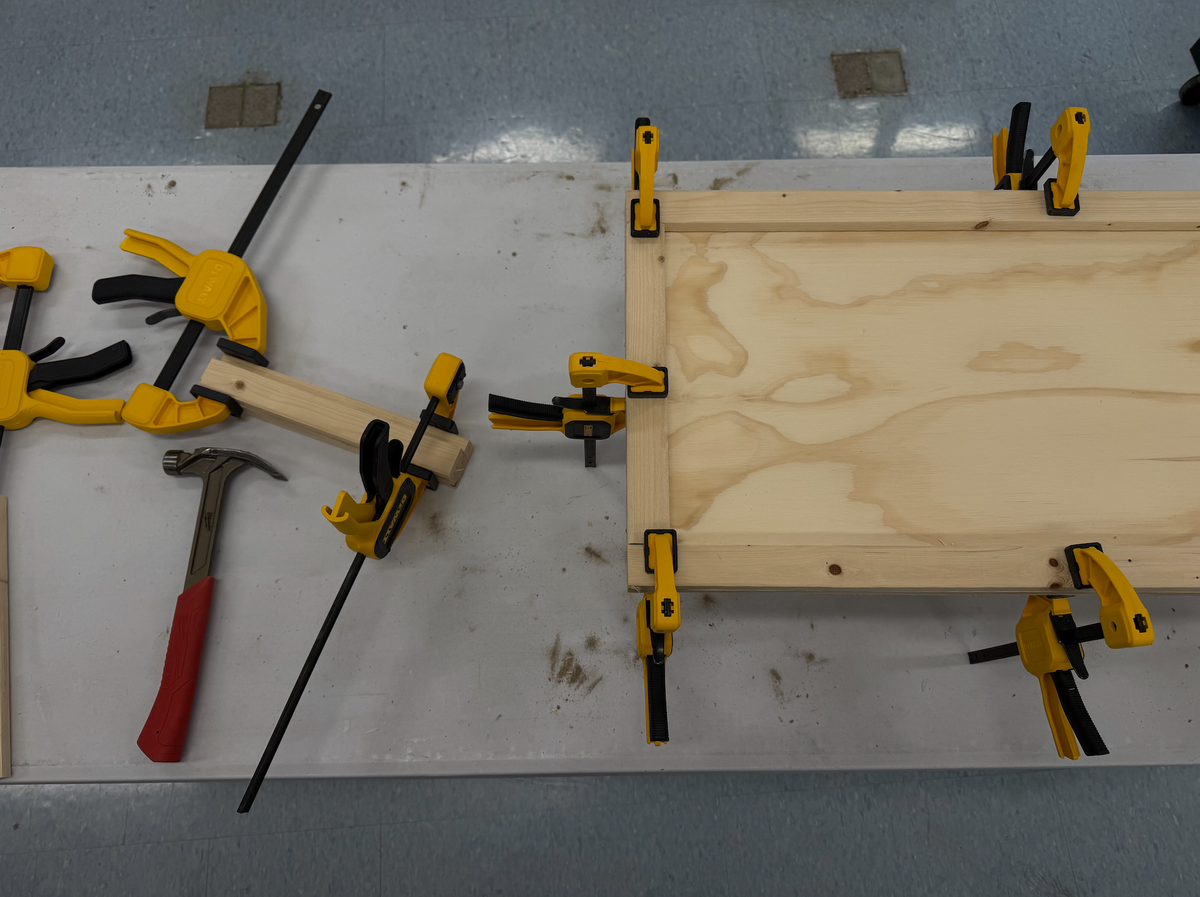
In addition to classroom instruction, students have built lockers for the school’s weight room and produced handcrafted pens as a fundraiser, selling approximately 100 pens at $20 each. Morehead said students are eager to build hands-on projects.
“They want to come in here and build something all the time,” he said.
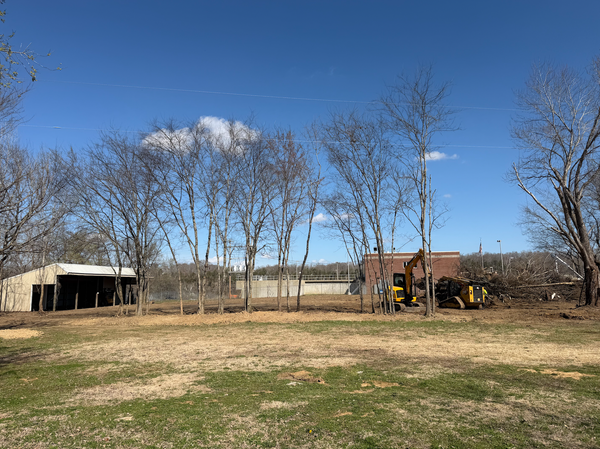
School leaders also are planning a dedicated outdoor construction facility that will include covered workspace and large access doors for building and selling student-made items such as picnic tables or doghouses. The structure will connect securely to the main building through a covered awning.
Rector said the new building has been part of his vision for more than a decade.
“When we knew we were bringing this program in, it was the chance for us to have a space dedicated to a hands-on CTE program,” Rector said.
The facility is being funded through a $1 million grant each high school in the district received to enhance their CTE courses. While survey work has begun, school officials said they do not yet have a groundbreaking date.
The program also aims to strengthen collaboration with Harpeth Middle School to create a clearer pipeline into high school CTE courses. Leaders hope earlier exposure will help students make informed decisions about career pathways before entering ninth grade.
Harpeth currently offers CTE pathways in agriculture, health science, criminal justice and audiovisual production, with agriculture historically operating at capacity.
Hunter, a 2005 Harpeth graduate, said bringing the program to the school is both personal and professional.
“When I was in school, there were no CTE opportunities at Harpeth,” she said. “Not everybody’s made for a two- or four-year college. We need people in construction. We need plumbers, HVAC technicians, mechanics. Every student should have the ability to have an education that they want.”
School leaders said they expect enrollment and industry partnerships to continue growing as the program becomes more established. As the construction CTE looks to grow, HHS leaders are looking for community members to give their time as guest speakers, donate money or offer up community projects. Email Jennifer.Reist@ccstn.org to get involved.